Derma V 1 session
0
$9810min
Myeongdong ID Clinic
Myeongdong
5.0(11)
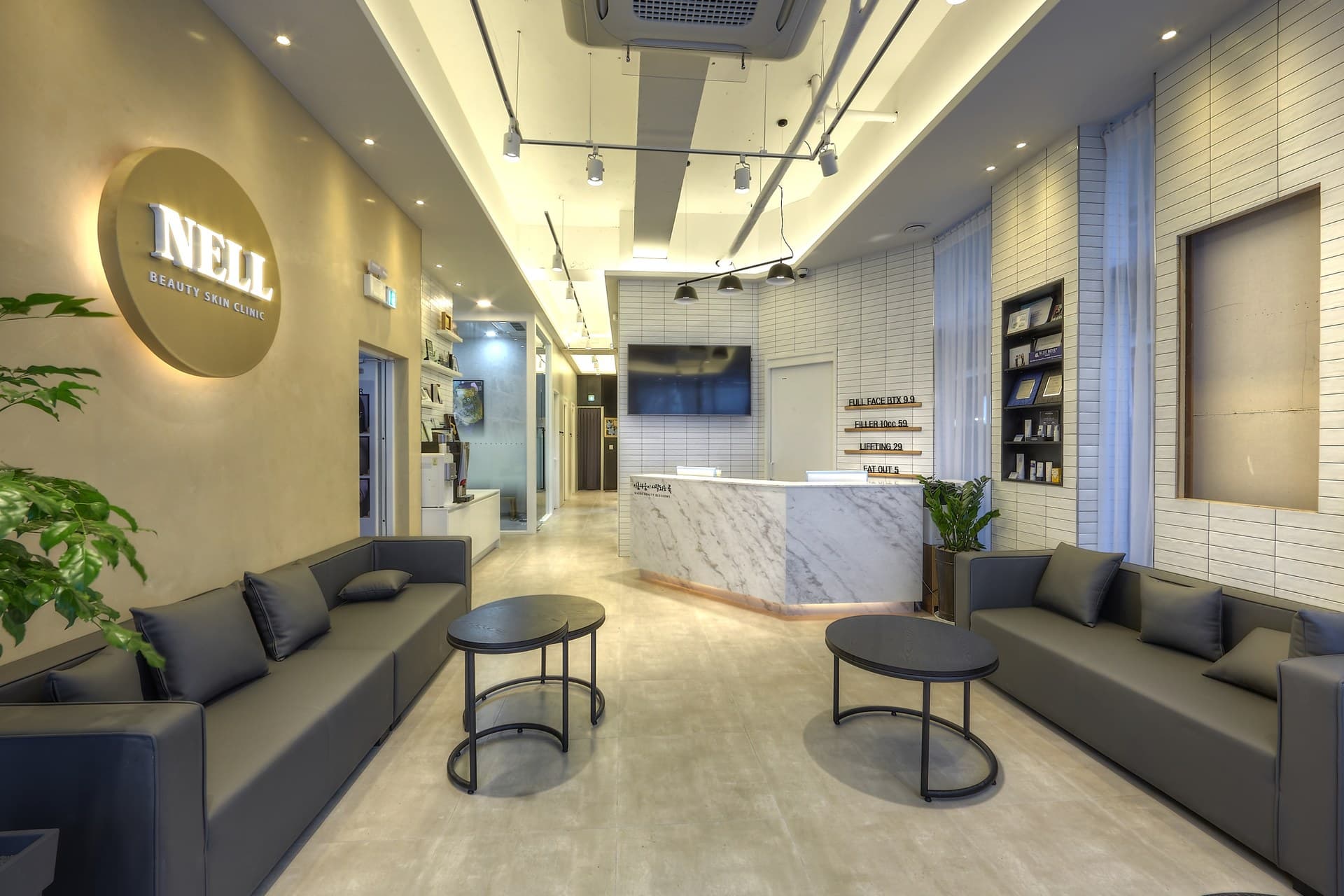
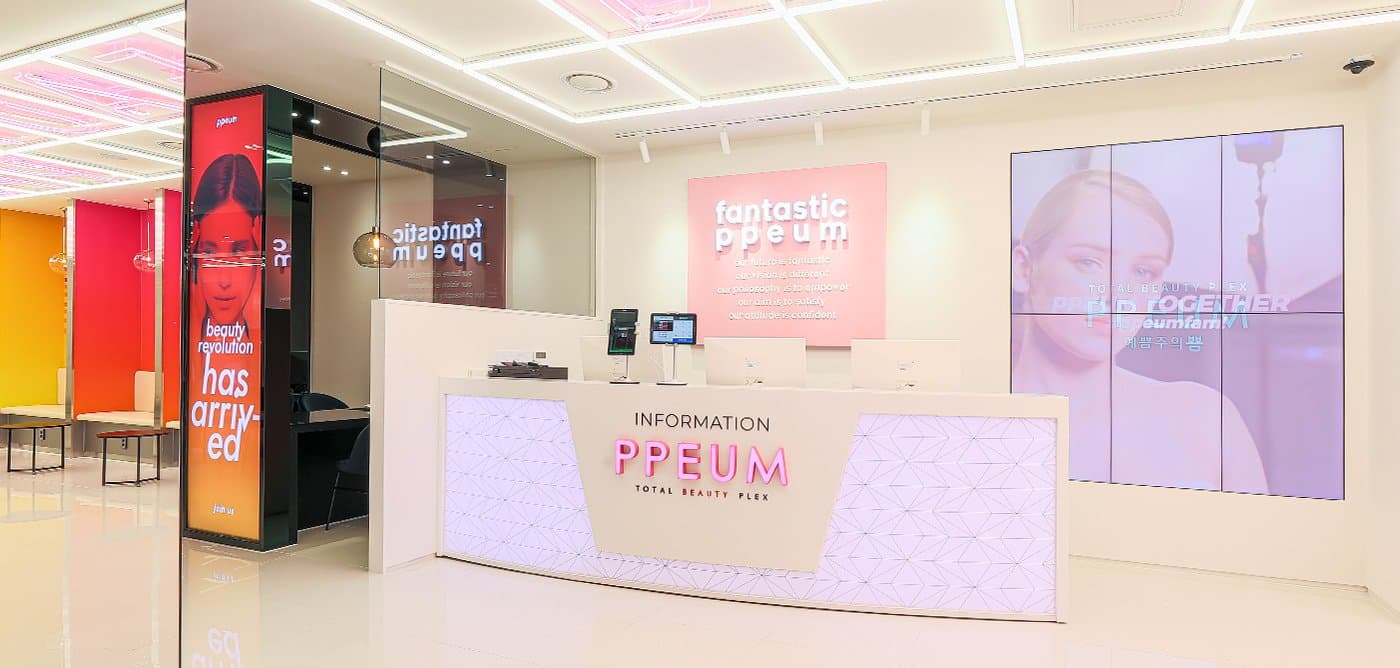
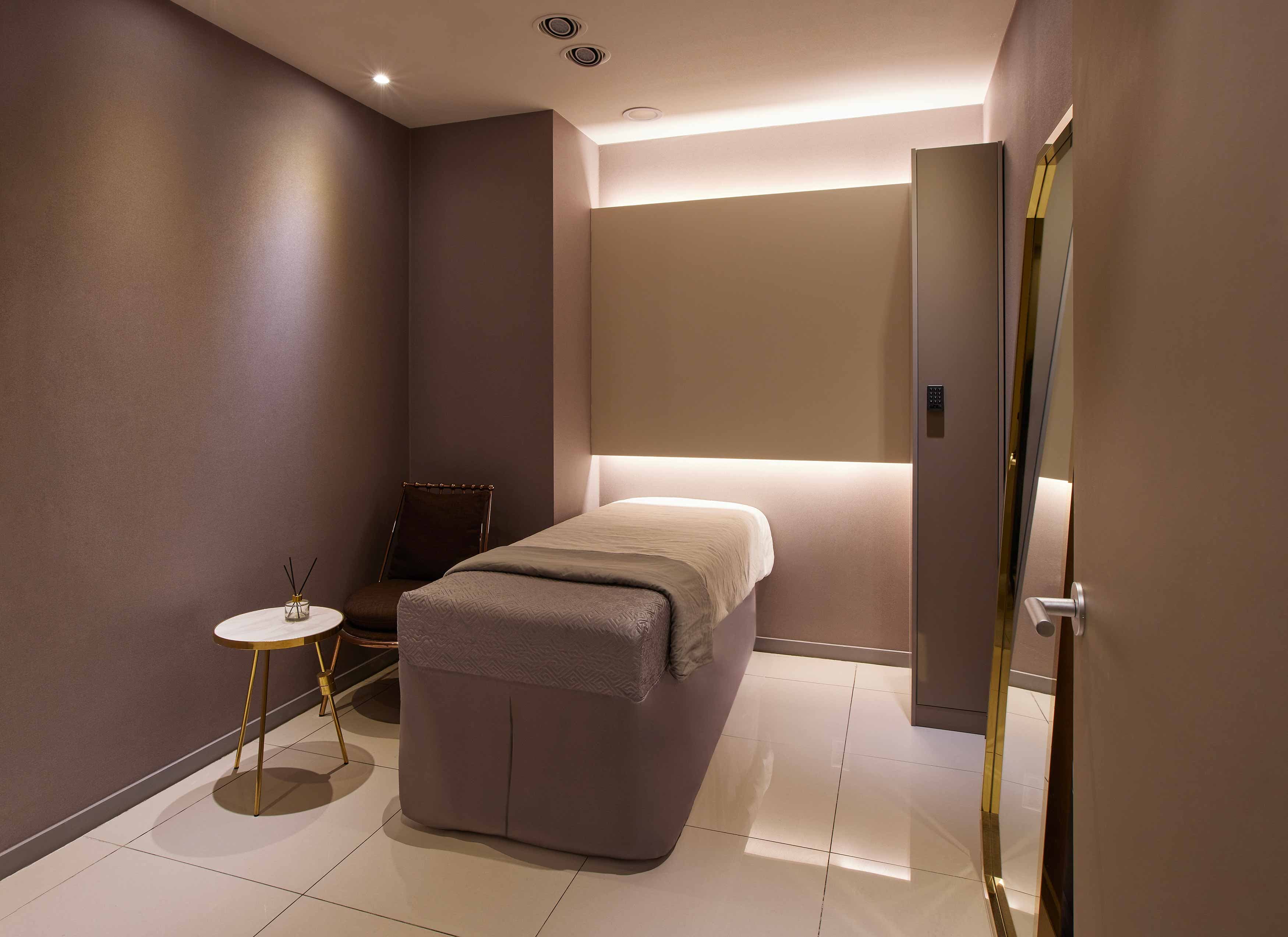


Redness and vascular treatments target persistent facial redness, flushing, rosacea-related redness, and small visible blood vessels (telangiectasia) around the nose and cheeks. Korean dermatology clinics commonly use vascular lasers such as pulsed dye laser and long-pulsed Nd:YAG, as well as IPL, often alongside calming skin care, and the doctor first checks what is causing the redness. On Seolle you can compare starting prices by clinic, book a consultation before you travel, and get multilingual support when you arrive.
It depends on the clinic, the device, the area treated, and how many sessions are planned. Compare current starting prices by clinic on Seolle.
It depends on the cause: diffuse redness and flushing are often treated with pulsed dye laser or IPL, while individual visible vessels may be targeted with a vascular laser such as Nd:YAG. Rosacea or sensitive skin may also call for medication or skin-care changes, so the doctor assesses your skin first.
Several sessions spaced a few weeks apart are common, as redness tends to fade gradually. Flushing and rosacea can flare again with triggers like heat, alcohol, or spicy food, so maintenance may be suggested.
Mild redness and swelling for a day or two are common. Some pulsed dye laser settings can leave temporary bruise-like marks for a week or more, so ask the doctor about the planned settings if you have events coming up.
Mention any medications, diagnosed skin conditions such as rosacea, recent tanning, and your travel dates. You can book a consultation on Seolle before your trip, and many clinics offer interpreters.